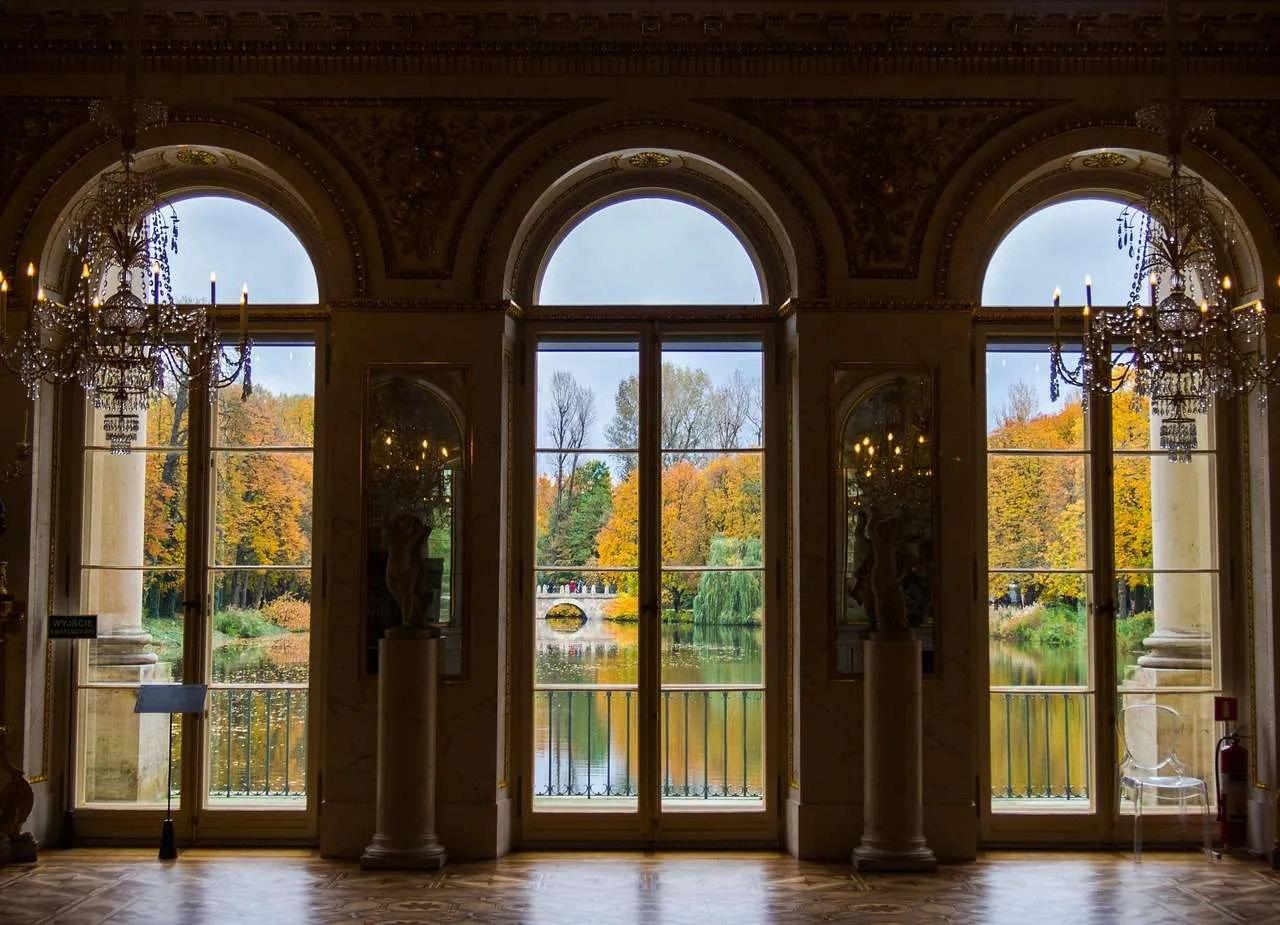
Home Window Tinting Near Me: Expert Local Pros
Find home window tinting near me services to boost privacy, UV protection, and energy savings.
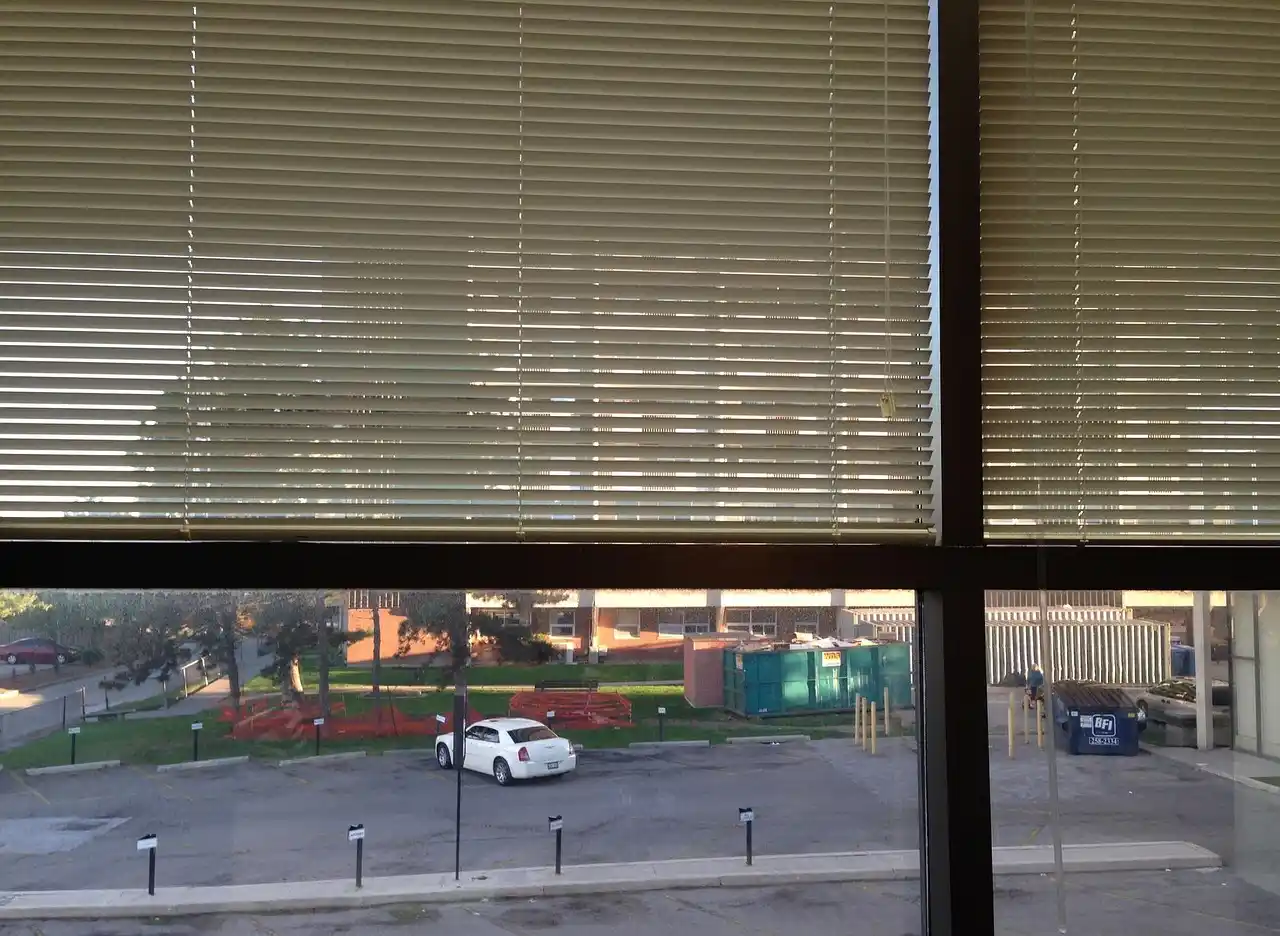
If you are searching for home window tinting near me, you're looking for a professional service that can improve comfort, protect interiors, and save on energy costs.
Residential window tinting involves applying a thin film to the interior surface of glass. The film can block a large share of ultraviolet light, reduce heat gain, and limit glare, all while preserving daylight and view.
What is residential window tinting and how it helps
Tinted windows act as a shield. By filtering infrared radiation and UV rays, they lower heat transfer from outside to inside, making rooms cooler in summer and more comfortable year round. Properly installed tinting can also reduce fabric fading and protect flooring and furniture.
UV protection and glare reduction
Most quality films block 99 percent or more of UV light, protecting skin and furnishings. Glare control improves comfort for rooms with screens and large daylight exposure.
Energy savings and comfort
Reducing solar heat can lower cooling loads, which may translate into lower energy bills. In winter, some films also help retain heat, depending on the product and climate.
Privacy and safety
Tinted film increases privacy at street level and can hold glass together in breakage, providing a layer of safety for homes with children or near busy streets.
Choosing a local window tinting provider
To find the best result near you, look for local specialists with a track record, transparent pricing, and clear warranties. Verify licenses if required in your state, read client reviews, and ask for samples or demonstrations of film types.
Ask about the installation process, guarantees, and maintenance. A trustworthy company will discuss film options, expected cure times, and any window frame considerations. For long-term value, prioritize reputable brands, professional installation, and written warranties rather than the lowest upfront price.
Types of window tint films
Dyed film
Dyed films are affordable and provide good privacy. They are less effective at blocking infrared heat and may fade over time, requiring replacement sooner than advanced films.
Metalized film
Metalized films reflect heat and improve strength. They can interfere with certain electronics and may require professional handling during installation to avoid interference with sensors.
Ceramic film
Ceramic films offer strong UV and infrared rejection with excellent clarity and minimal color change. They are typically more expensive but less likely to fade and more durable.
Carbon film
Carbon films deliver good heat rejection and a charcoal color that stays consistent. They balance performance and cost but may show slight color shift in some lighting.
What to expect during installation
A typical process includes a short on-site consultation, film selection, window cleaning, and precise measurement. The installer will cut the film to fit each pane, apply it with liquid solution, and squeegee out air. Most jobs cure within 24 to 72 hours; avoid rolling down windows until fully cured.
Comparison of film types
| Film Type | UV Rejection | IR Rejection | Glare Reduction | Longevity | Typical Cost |
|---|---|---|---|---|---|
| Dyed | High | Low to Moderate | Moderate | Moderate | Low to Moderate |
| Metalized | High | High | High | High | Moderate |
| Ceramic | High | High | High | Very high | High |
| Carbon | High | High | Moderate to High | High | Moderate to High |
Note that actual performance depends on product line, manufacturer, climate, and installation quality. Always request a written specification showing VLT and IR rejection ratings for the selected film.
Maintenance and aftercare
Follow installer guidance for cleaning and sun exposure. Use mild soap and water, avoid abrasive tools, and do not use ammonia-based cleaners that can damage film. Periodic inspections help ensure edges stay sealed and prevent peeling.
Conclusion
Conclusion, choosing the right home window tinting near me involves understanding film types, evaluating local expertise, and selecting a reputable installer with clear warranties. By comparing UV and IR performance, considering privacy needs, and prioritizing professional installation, you can enjoy enhanced comfort, protection, and long term savings.