Home Window Tinting: Benefits, Types & Guide
Explore home window tinting: benefits, types, costs, and tips for privacy, UV protection, and energy savings.
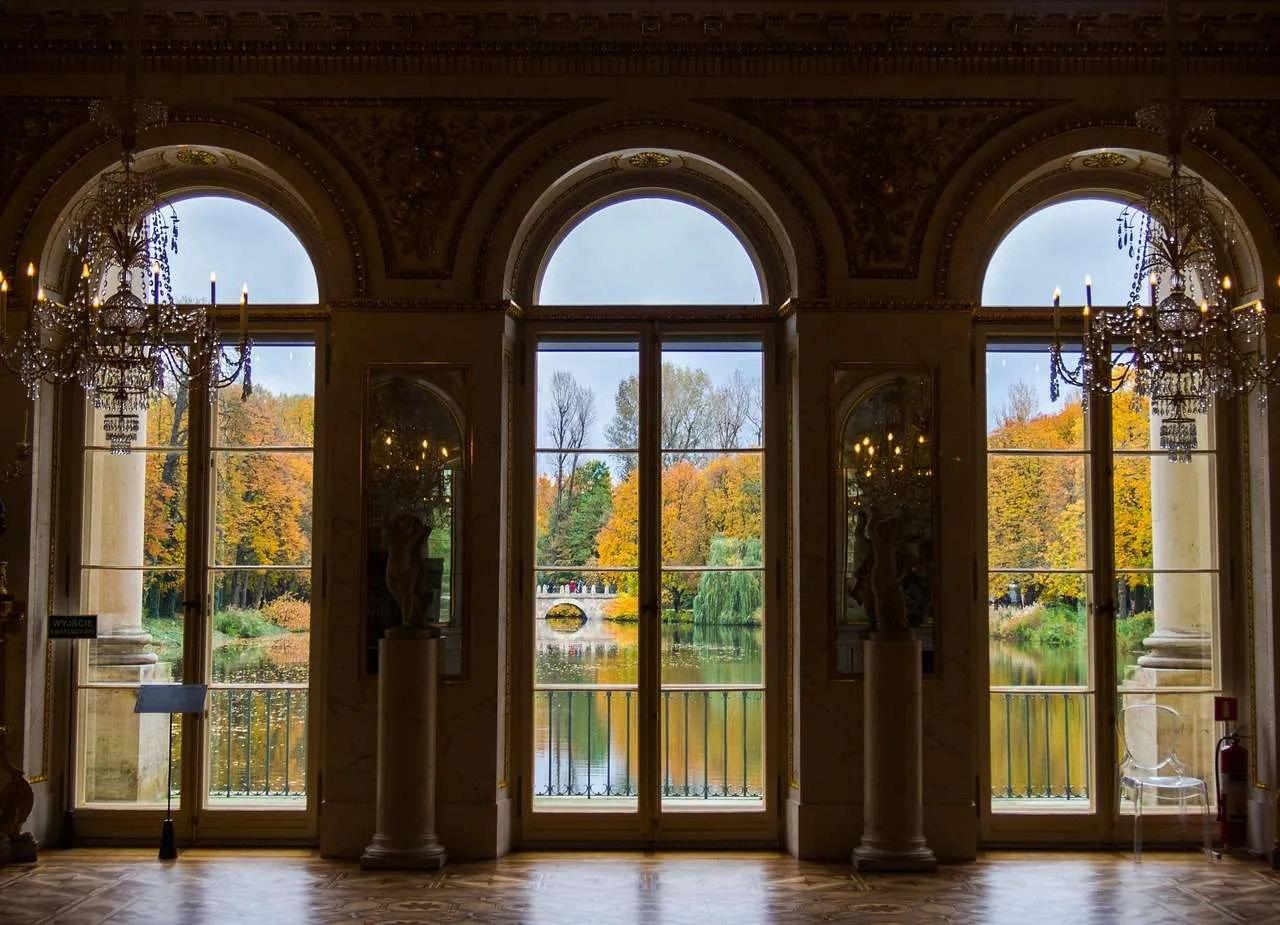
What is Home Window Tinting
Home window tinting involves applying a film to the interior surface of glass to reduce heat, glare, and UV exposure. Modern films come in a range of shades and formulations, allowing homeowners to balance light, privacy, and aesthetics while preserving a clear exterior view. When installed by a skilled professional, tinting adheres to safety standards and warranty requirements, contributing to a trustworthy and durable home improvement project.
Benefits of Home Window Tinting
Energy efficiency is a primary driver for many homeowners. By blocking a portion of solar heat, tinted windows reduce cooling loads in the hottest months, leading to lower air conditioning bills. UV protection helps preserve furniture, flooring, and artwork from fading, extending the life of interior decor. Privacy is enhanced without sacrificing natural light, and glare reduction improves comfort in living rooms, home offices, and entertainment areas. Some films also improve safety by keeping shattered glass in place during storms or accidents. For those pursuing a cohesive design, tinted windows offer a modern, uniform look that can complement both traditional and contemporary exteriors.
Types of Window Tint Films
Window tint films come in several formulations, each with distinct performance characteristics. Here is a quick overview to help you compare options:
Dyed Films
Dyed films use a layer of dye to absorb heat and reduce visible light. They are typically affordable and offer good privacy. Drawbacks include potential color fading over time and limited UV protection compared with other high end films.
Metalized Films
Metalized films incorporate tiny metal particles to reflect heat and add strength. They provide strong heat rejection and improved privacy, but they can interfere with electronic signals like cell phone and Wi Fi in some installations. Professionals mitigate this with careful film selection and placement.
Carbon Films
Carbon films are known for stable color and substantial heat rejection without significant signal interference. They offer good clarity and UV protection while maintaining a natural appearance that resists fading over time.
Ceramic Films
Ceramic films are among the highest performing options, with excellent heat rejection, UV protection, and minimal glare. They preserve natural color rendition and typically resist fading for many years, making them a top choice for energy efficiency and comfort.
Choosing the Right Film for Your Home
When selecting a film, consider three core factors: light transmission, heat rejection, and UV protection. Visible light transmittance (VLT) affects how bright a room will look after tinting. Higher heat rejection reduces cooling needs, while UV protection helps protect interior furnishings. Local regulations and homeowners associations may set rules on permitted tint levels for residential properties, so verify whether any limits apply to your area. A qualified installer will test glass type, frame compatibility, and mounting method to ensure a clean, long lasting result.
DIY vs Professional Installation
DIY tint kits can be tempting for smaller windows, but professional installation offers consistent results, precise edge work, and warranty coverage. A skilled installer uses air free techniques to avoid bubbles or dust, selects a film appropriate for the climate and glass type, and ensures the film adheres to safety standards. For large or multi pane windows, complex shapes, or high performance films, hiring a licensed installer is typically the safer and more cost effective choice in the long run.
Costs, Maintenance and Longevity
Costs vary by film type, room size, and labor rates, but you can expect a broader price range for higher performance films. Ceramic and carbon options generally cost more than dyed or basic metallic films, reflecting their superior heat rejection and UV protection. Maintenance is straightforward: clean with a non ammonia cleaner and a soft cloth to avoid streaking. Avoid abrasive materials that could scratch the film. With proper care, most residential films maintain clarity and color for many years, though some films may require refreshment after a decade depending on climate and exposure.
Comparison of Film Types
| Film Type | Heat Rejection | UV Protection | Glare Reduction | Durability | Best For |
|---|---|---|---|---|---|
| Dyed | Moderate | Good | Moderate | Lower | Budget projects, privacy focus |
| Metalized | Strong | Good | High glare control | Medium | Heat control with privacy |
| Carbon | Very good | Excellent | High | High | Balanced performance and appearance |
| Ceramic | Excellent | Best | Low glare | Very high | Premium energy efficiency and clarity |
Practical Tips for a Successful Tint Project
Before starting, obtain quotes from at least two licensed installers and ask for a warranty and sample film. Request a panel by panel plan so the installer demonstrates how the film will cover door glass, sidelights, and arch shapes. Schedule a site visit to measure windows and confirm the film type aligns with local regulations. Finally, ensure the installation includes edge sealing and a post installation inspection to confirm bubbles have been eradicated and edges are sealed properly.
Conclusion
Conclusion, home window tinting offers meaningful benefits in comfort, privacy, and protection from the sun. By understanding the main film types, regulatory considerations, and the value of professional installation, homeowners can make informed choices that align with budget and performance goals. A well chosen tint improves energy efficiency, protects furnishings, and preserves curb appeal, while a careful installation upholds safety and longevity. Summary of key points: consider the film type for heat rejection and UV protection, check local rules, weigh DIY versus professional installation, and plan maintenance to maximize the investment. Conclusion, choosing wisely today helps create a cooler, more comfortable home tomorrow.